
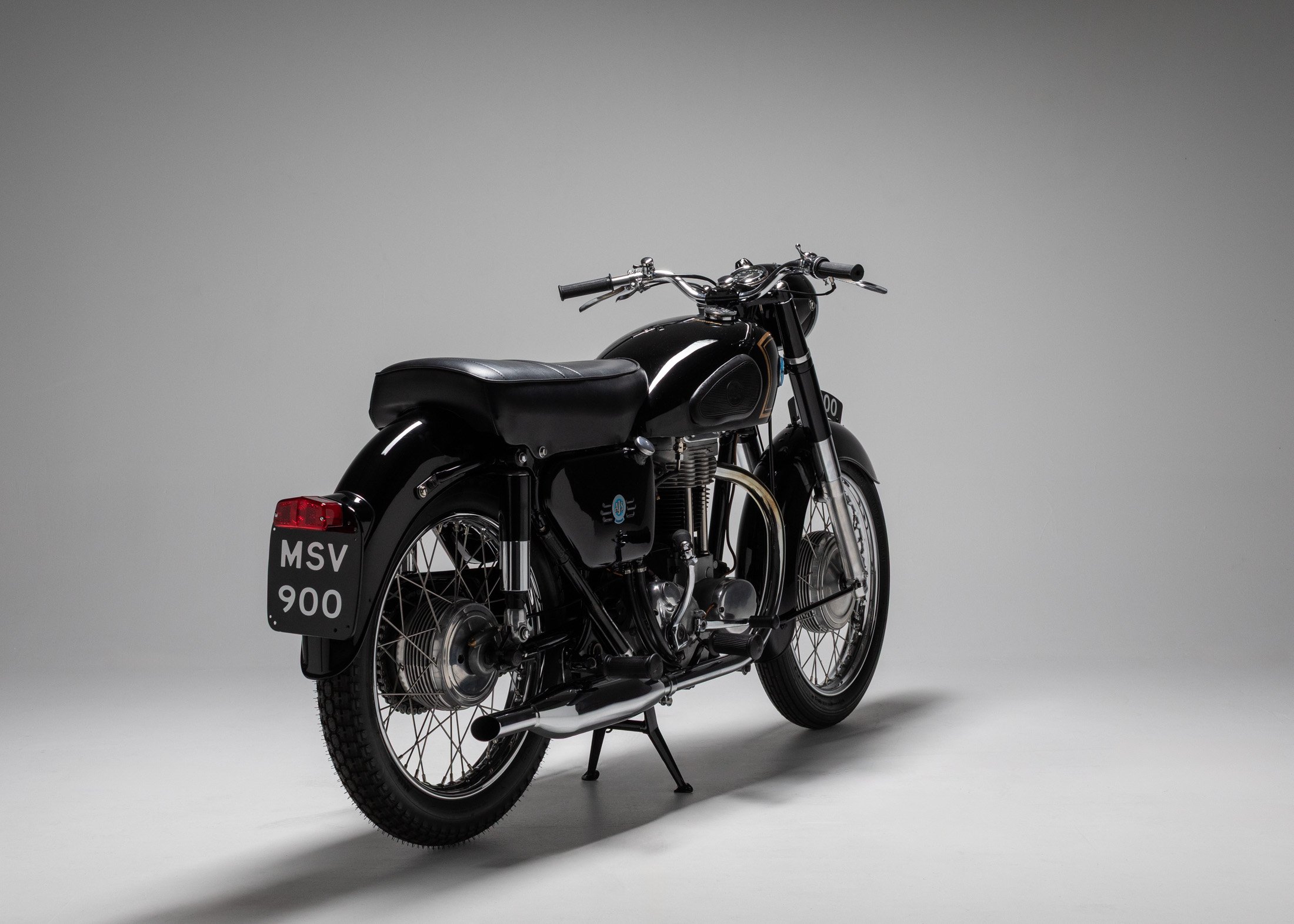
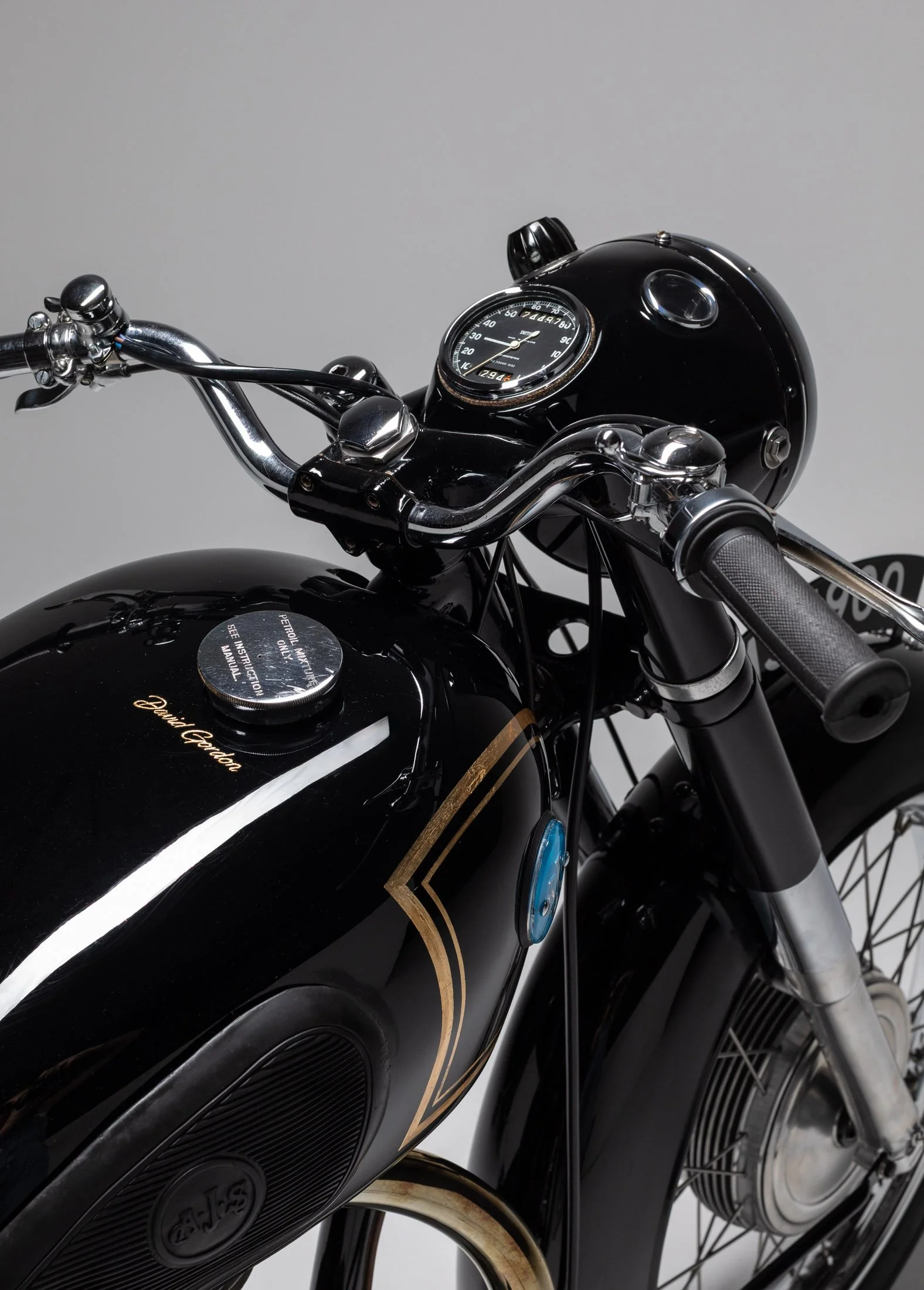
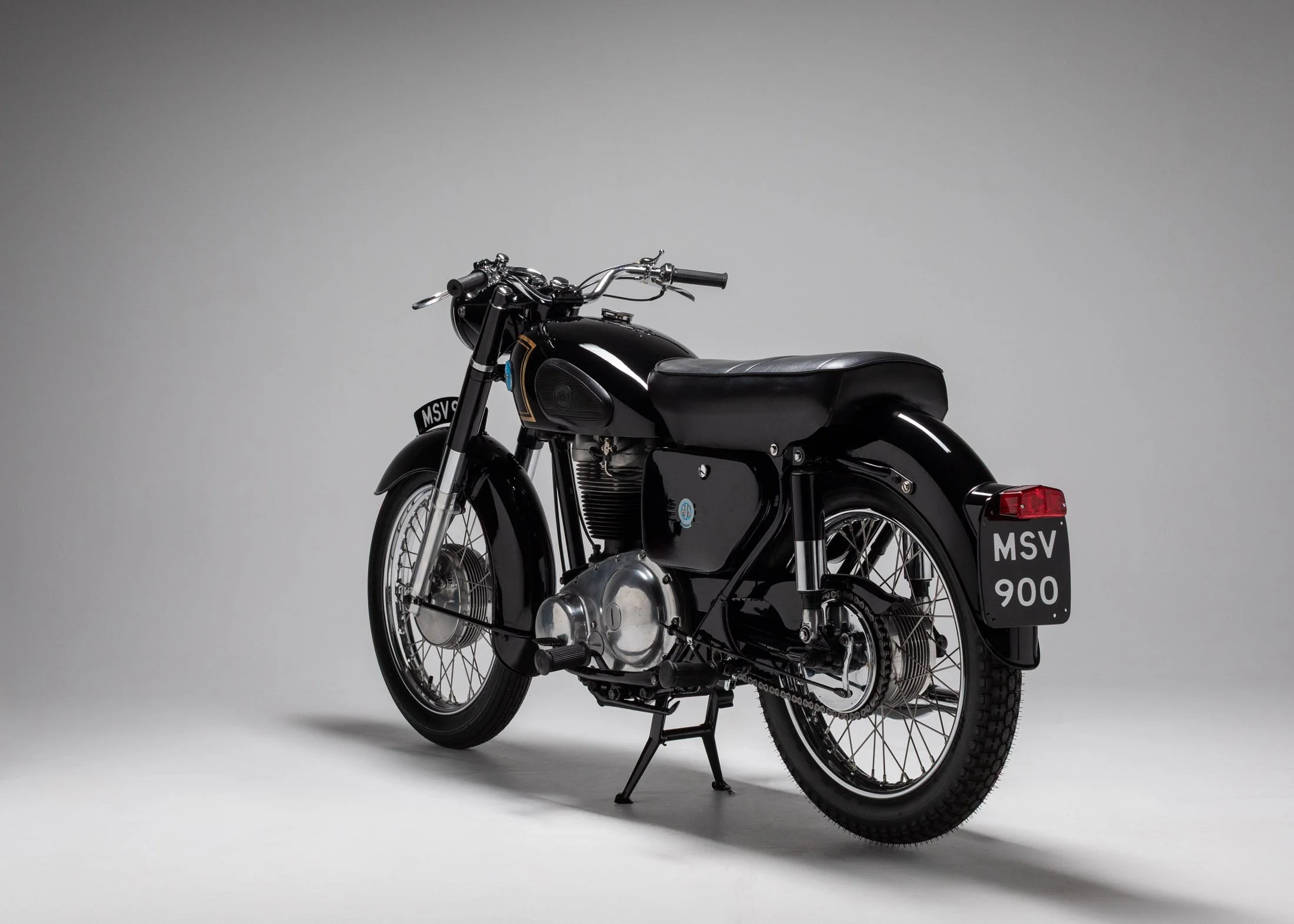
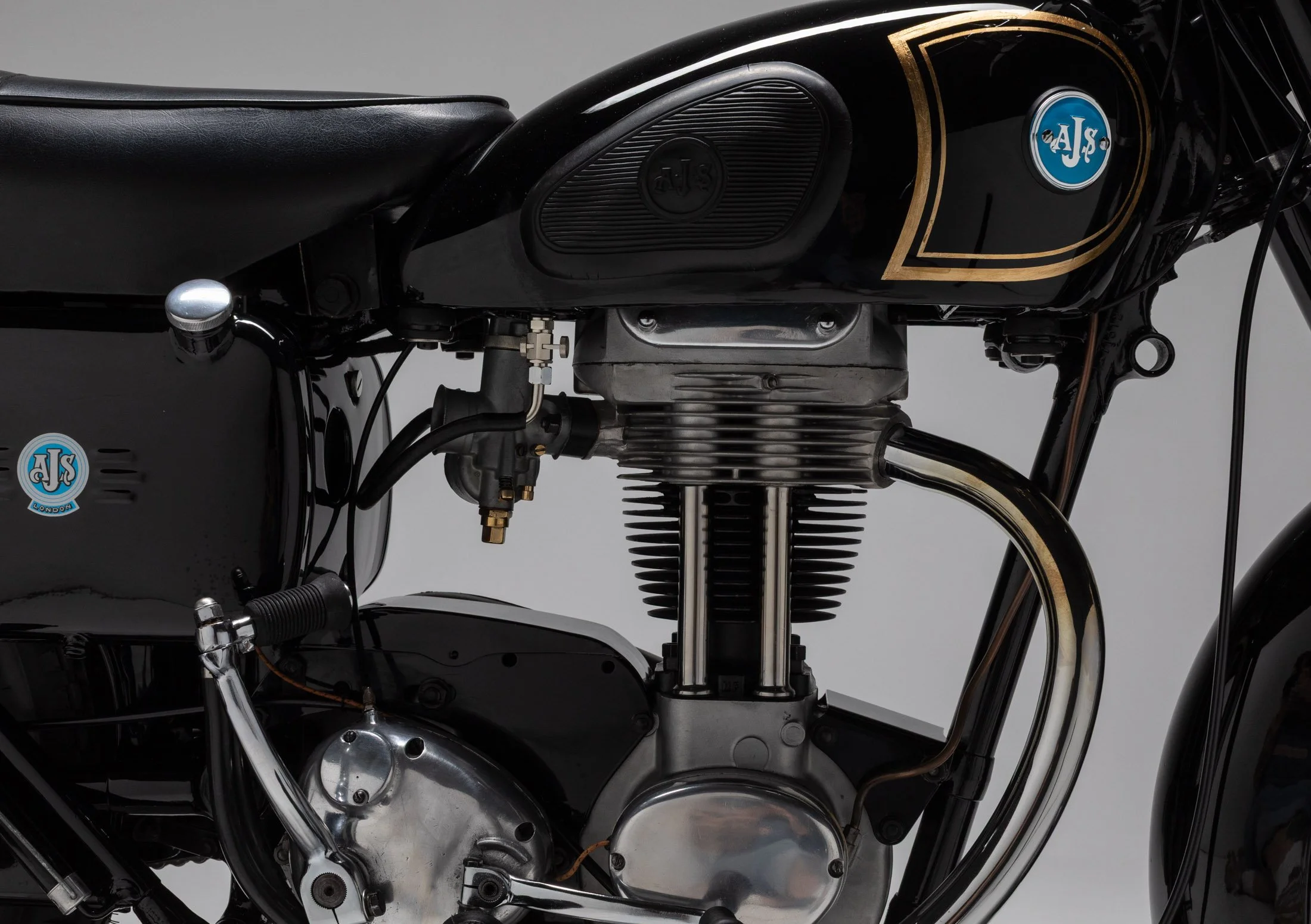
1956 AJS 16MS 350
For more hi-resolution images of this bike click here.
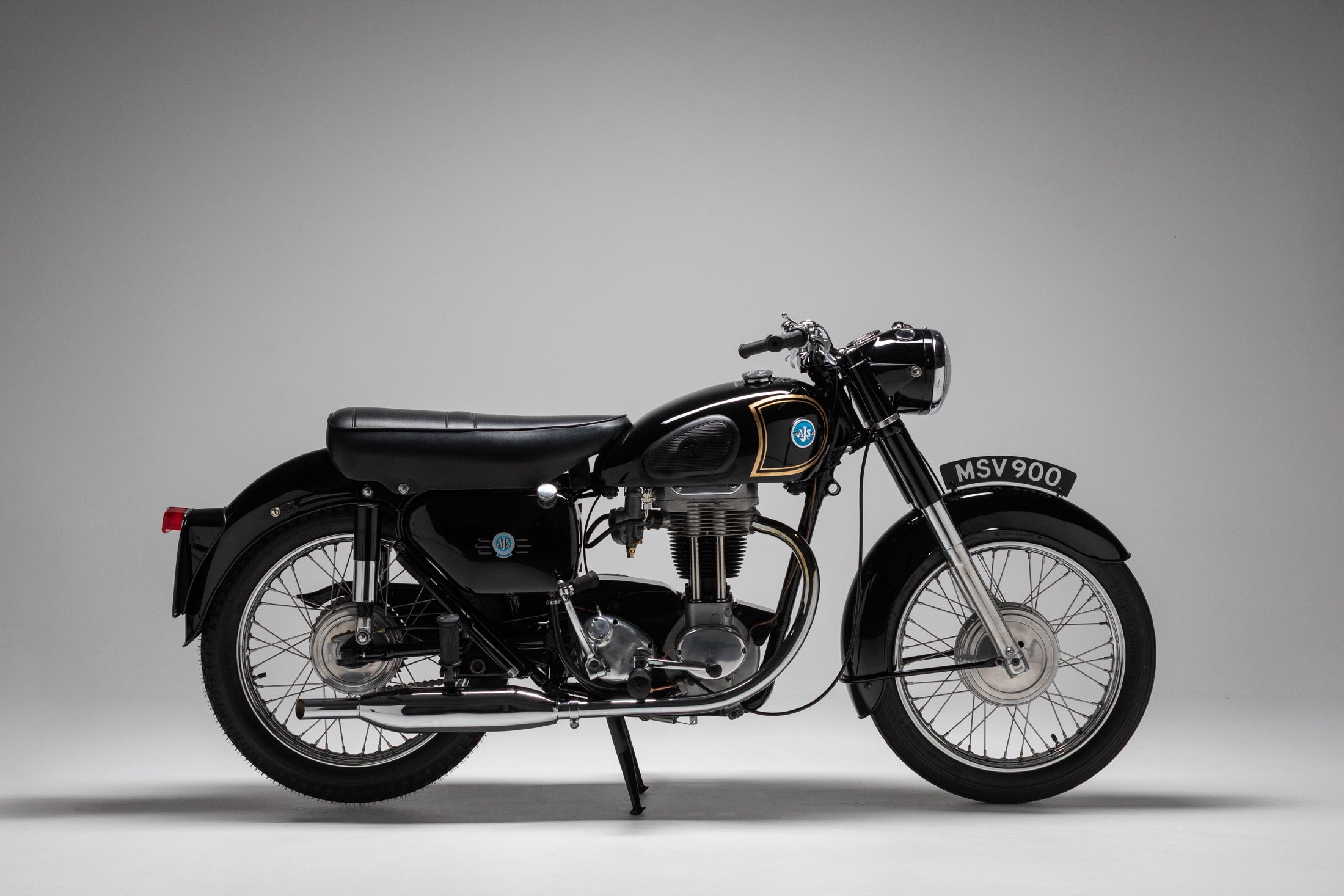
The AJS Model 16M was introduced in 1945 by Associated Motor Cycles (AMC) as a civilian adaptation of the wartime military Matchless G3/L motorcycle used extensively by British forces during World War II. It was developed directly from this proven military design, retaining its robust engineering and reliability for post-war civilian use. The motorcycle featured a rigid frame, 348 cc overhead-valve (OHV) air-cooled single-cylinder engine, and conventional telescopic (“teledraulic”) front forks, reflecting conservative but durable engineering principles of the immediate post-war period.
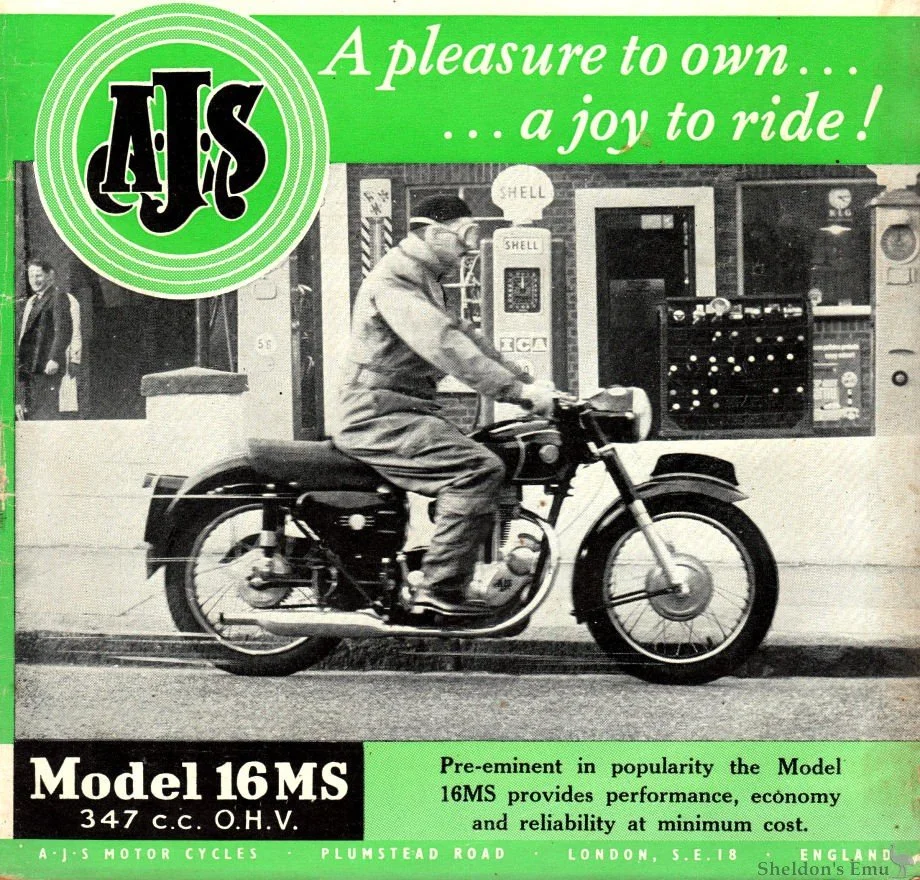
‘economy, simplicity, and low maintenance requirements’
After its introduction, the Model 16M became a widely sold civilian motorcycle in Britain, valued for its economy, simplicity, and low maintenance requirements at a time when petrol rationing and material shortages affected everyday life in post-war Britain.
It was particularly suited to commuting and utility transport.
Production of the Model 16M continued in large numbers well into the 1960s, demonstrating its long-term popularity and commercial success.
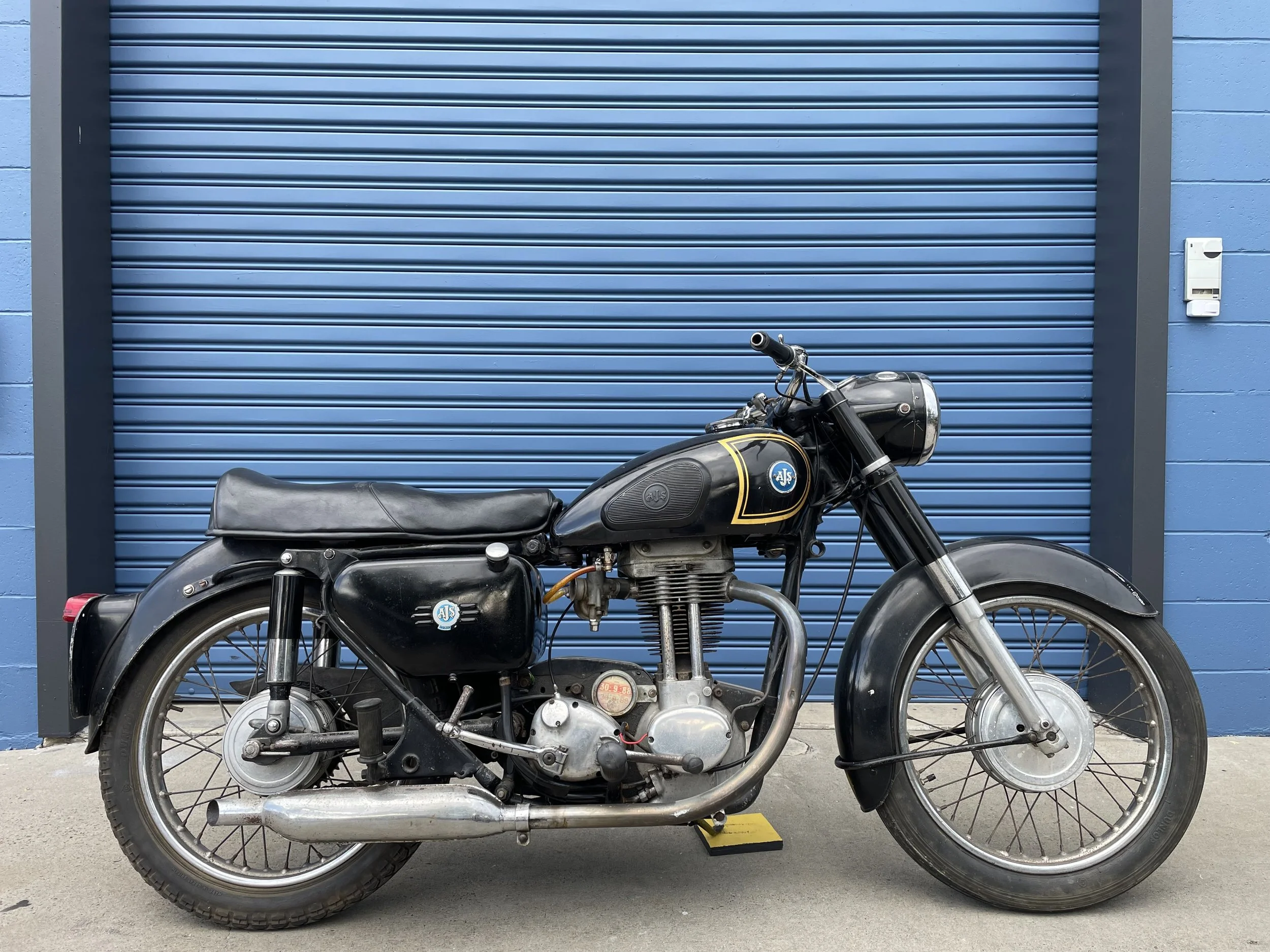
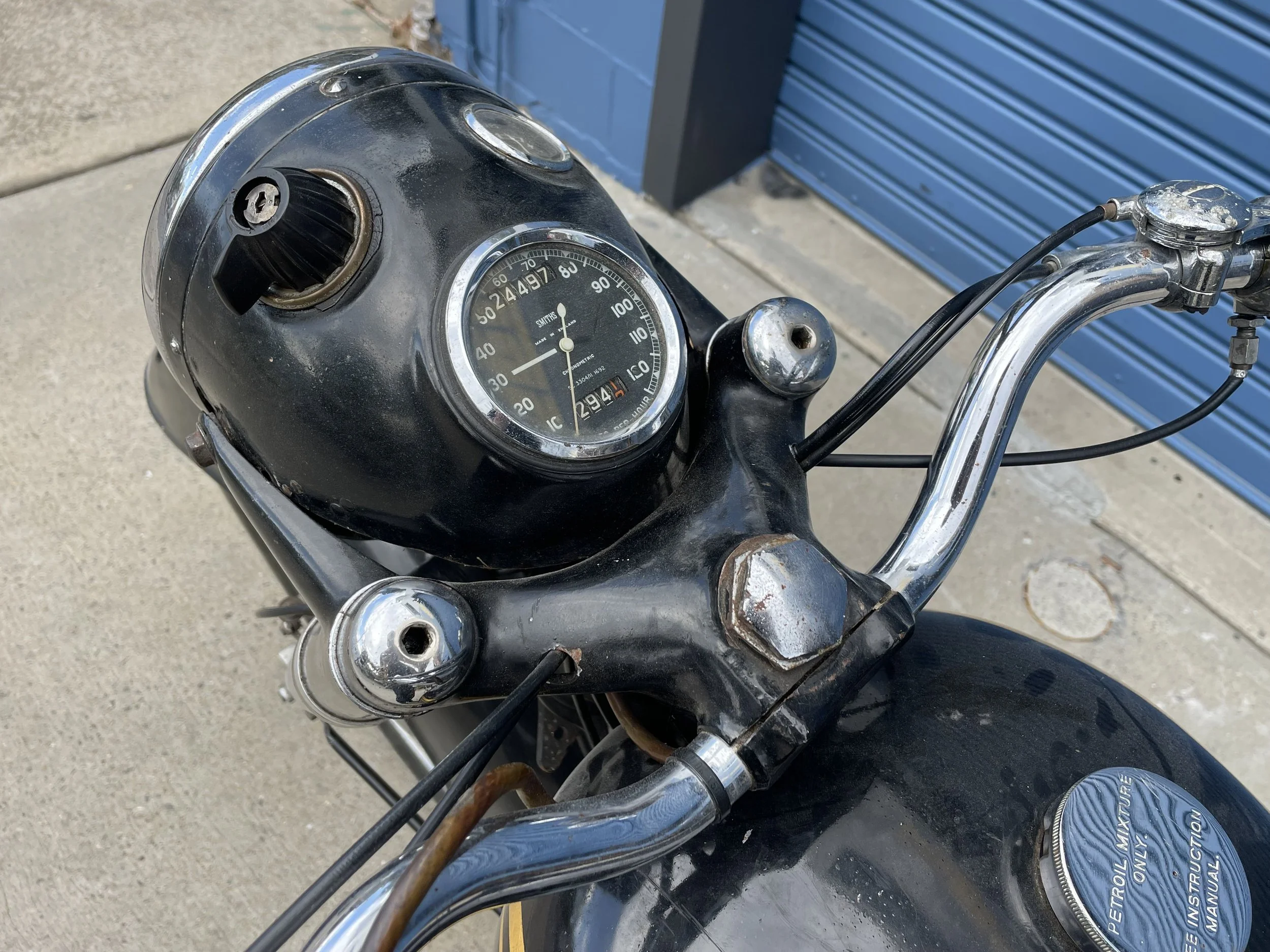
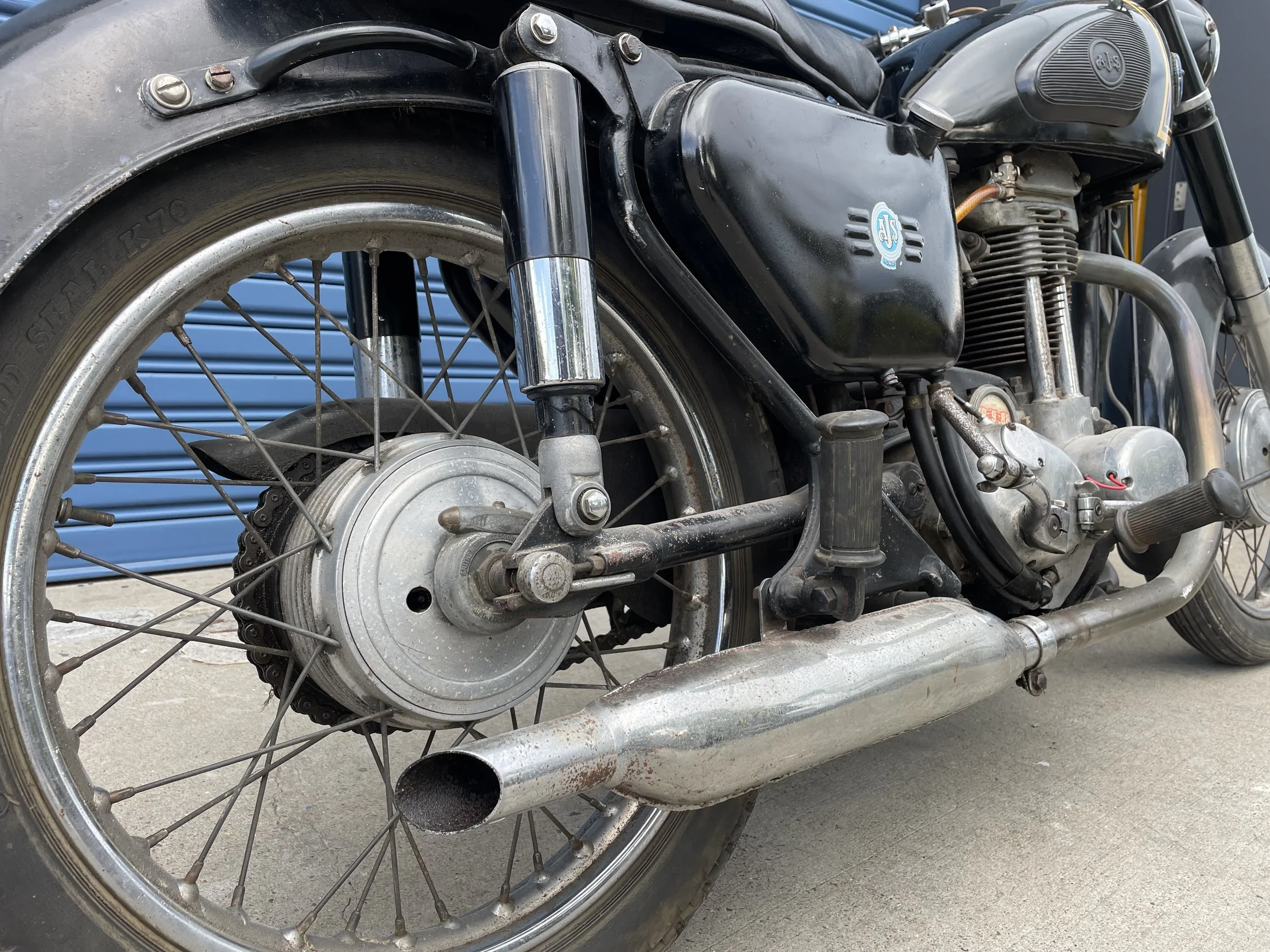
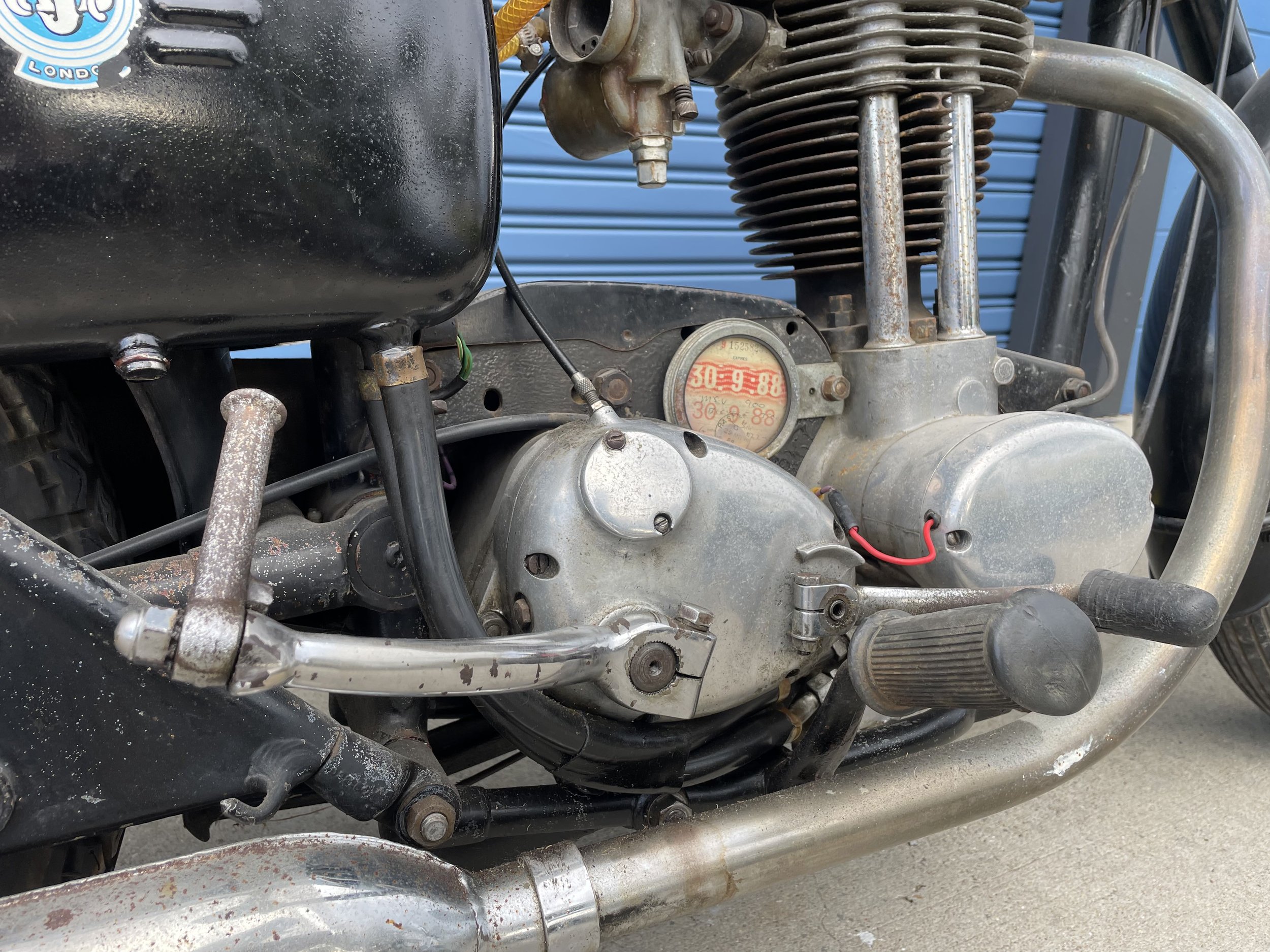
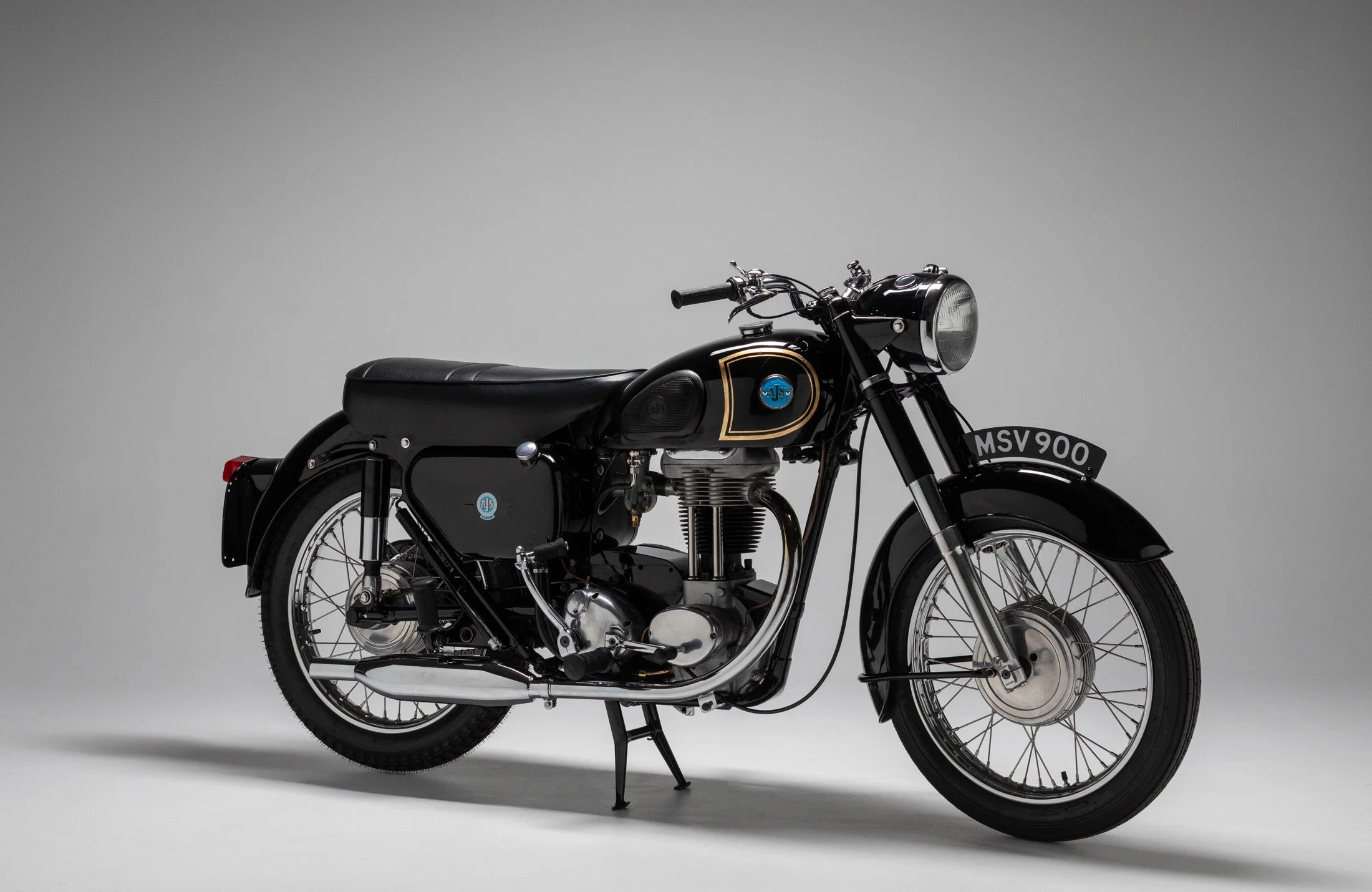
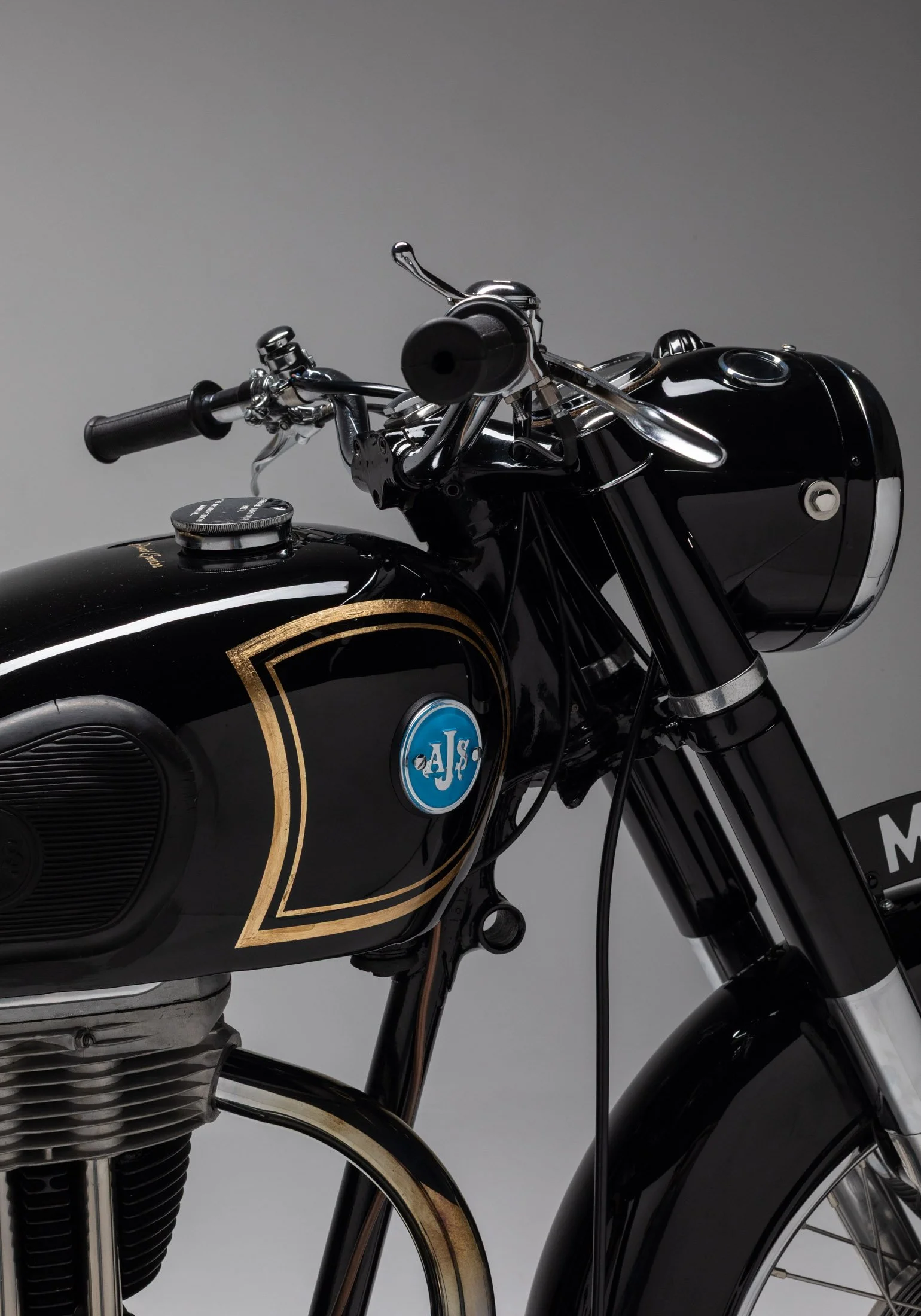
We received this bike mostly complete but in non-running condition, The bike had spent most of its life in Beacon Hill, Surrey, passed through a family of dedicated riders who used, repaired and cherished it long after most examples had disappeared. The owner wanted one thing: to bring his grandfather’s bike back to life. Not modernised. Not reimagined. Reborn, exactly as it should be. The frame was hand-painted in period-correct black to mirror the factory look, deliberately avoiding modern powder coat. Almost every original part was refurbished, re-chromed or rebuilt, with OEM hardware sourced, around 90–95% of the bike’s parts you see are original to the machine.
Have you got a tresured motorcycle that you would like to get back on the road?
