
VINTAGE MOTORCYCLE TYRES Era-Based Tyres, Styles and sizes
VINTAGE MOTORCYCLE TYRE CHEAT SHEET-Refrence guide
Sabotage Workshop Edition writen and complied by AndyDorr — Tube-Type Tyres Only
Era-Based Tyre Styles and sizes
1880–1930 Motorcycle Tyres
those are the early years and not a lot of information is avalible - books are the best source and biclyles companies where very common of making the first Motocycles so they used those tyres mainly
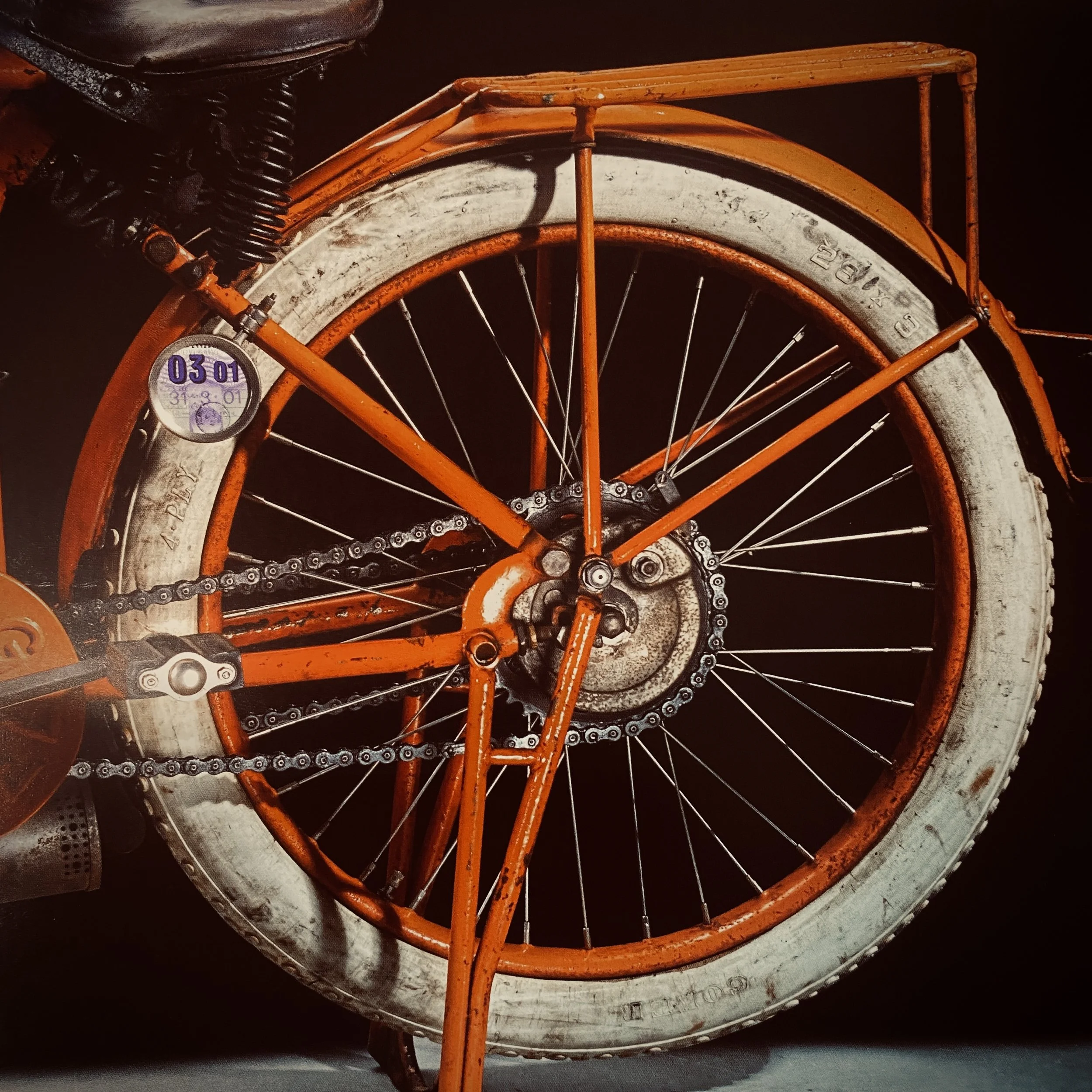
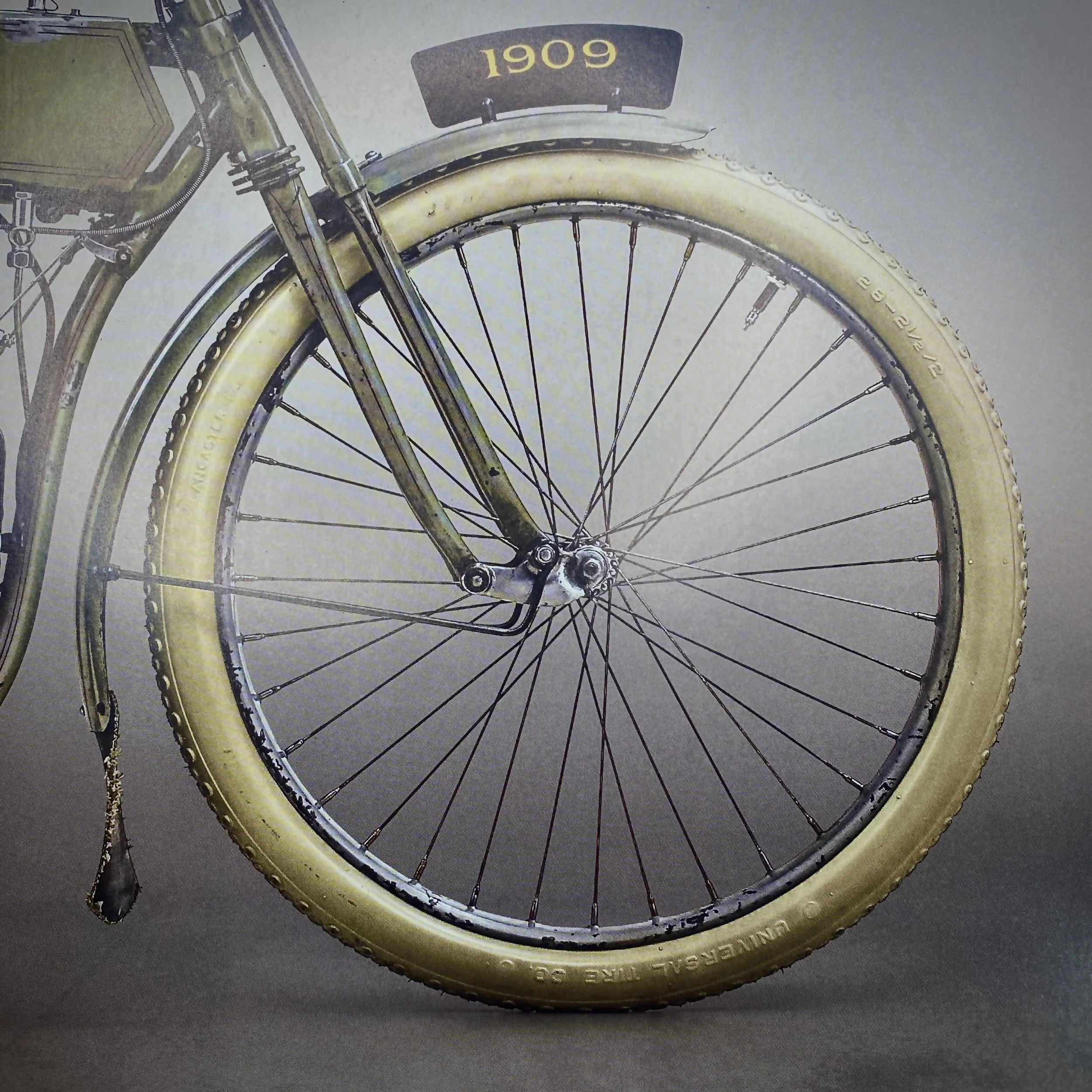
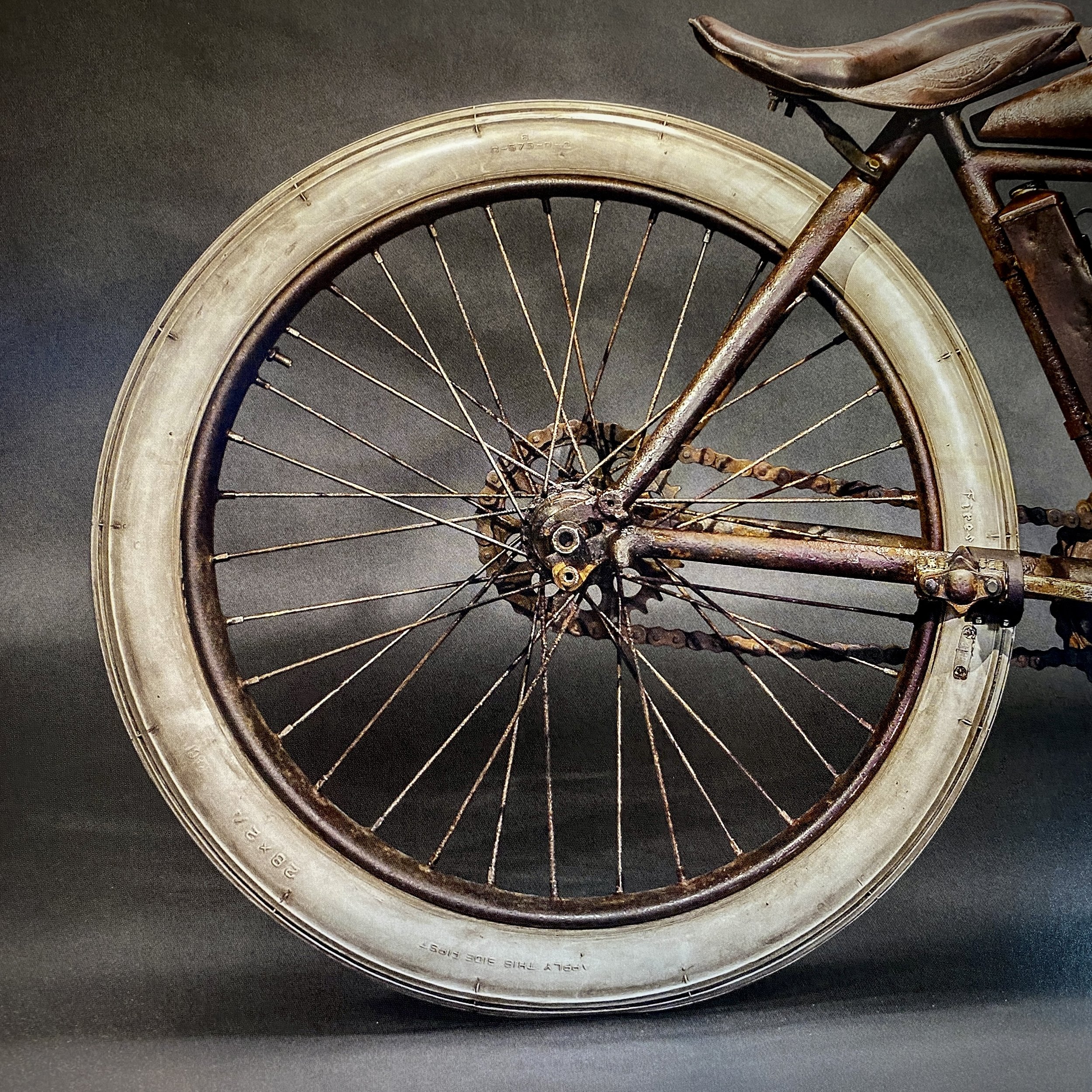
1880s–1900 1½–1¾ × 28–30 Same Bicycle tyres, early pneumatics
1900–1910 2.00 × 26–282.00 × 26–28Narrow, clincher bead, tube-type
1910–1920 2.00–2.25 × 26–282.25–2.50 × 26–28Tube-type, simple tread
1920–1930 2.25–2.50 × 26–282.50–3.00 × 26–28 Ribbed front, block rear, taller tyres for heavier bikes
Early motorcycles were basically motorised bicycles, so they used bicycle tyres, often solid or pneumatic (air-filled).
Pneumatic tyres only started appearing around 1890s (Dunlop).
Very narrow, tall tyres; soft rubber on wooden or steel rims.
Mostly tube-type, bias construction was standard.
Some motorcycles (Harley, Indian, BSA, Norton, FN) used 3.00 × 26 or 3.00 × 28 on heavier touring bikes.
Tread patterns: ribbed front, block-pattern rear — minimal, purely functional.
Tube-type bias-ply still universal; sidewalls very high.
No radial tyres, always tube-type bias-ply.
Tyres were narrow, high-profile, and soft rubber.
Front: mostly ribbed for tracking; rear: simple block for grip.
Sizing varied by manufacturer, but 26–28 inch rims were standard.
Pre-War / 1930s
that period is when it rerally got started with motorcycles on the rubber side of thing with motocycles and there tyres
Front: 3.00–3.25 × 19, 2.75 x 21, narrow ribbed
Rear: 3.25–3.50 × 19, 4.00x 18 block or diamond
Tyres were imperial‑sized, with width in inches and rim diameter in inches.
Even where early metric sizes were used on some European bikes (e.g., prior to switch to imperial around late 1920s/early 1930s),
the fitting practice soon moved to the imperial format listed above for most UK and US production.
These imperial sizes refer to actual tyre width in inches, roughly matching the first number — so a 400‑19 tyre sits around 4″ wide and is designed for a 19″ rim.
Sizes like “2.50×26 / 2.75×28” — more common earlier or on speciality tyres — were mostly phased out as 19″ (and some 18″) became standard in the 1930s.
Tubeless tyres did not exist — tube‑type only for this era.
Use: Road & light off-road
Stem: TR-6 (metal) or TR-15 (rubber)
Tip: Keep high sidewalls, tube-type only
Post-War / 1940s–1950s
The heyday of Motorcycles in my opinion — the golden age of design, engineering, and progress !
I could easily dream about living in that period, when every bike had character, innovation was constant, and the road felt like a new frontier.
Australia In 1939 there were approximately 79,237 motorcycles and 562,271 cars registered.
By 1946, car registrations recovered to 522,615 while motorcycles were 72,701 (post‑war figure).Approximate ratio: ~1 motorcycle : 7–8 cars (source ABS
Front: 2.75/3.00 x 21, 3.00/3.25/3.6/4.00 × 19, 5.00 x 16 Harley Davidson , ribbed or fine block
Rear: 3.25/3.50 × 19,3.5/4.00 x 18 , 5.00 x 16 chevron block,ribbed or fine block
Imperial sizing remained dominant; metric codes didn’t replace imperial until the 1960s–70s.
19″ rims were the sweet spot for road bikes; 18″ saw touring and larger bikes; 21″ served trials and lighter frames.
Fitting examples
The Ariel Square Four (1930s–50s) often ran a 3.25 × 19” front and 4.00 × 18” rear tyre combination on many models, well into the late 1940s.
The Vincent Grey Flash (1949–1952) used 3.00 × 21 front and 3.50 × 20 rear tyres — showing 20″ and 21″ rim use on performance machines of the era.
Triumph Speed Twin 5T (introduced 1938, resumed post‑war 1947)
This is the most iconic Triumph twin of the era (498 cc), and its wheel/tyre fitments reflect what many road Triumphs carried in the 1940s.
Front tyre: approximately 3.25 × 19″
Rear tyre: approximately 3.50 × 19″
(These are widely cited classic fitments for the Speed Twin in this period.)
Harley‑Davidson WLA (“Liberator” military model)
Produced 1940–1945 (and resuming 1949–52), the WLA was the standard US Army Harley during WWII.
Front & Rear tyre: 4.00 × 18″
(This was the documented tyre size on the WLA, reflecting the large‑section tyres common on Harley solo machines of the era.)
The WLA’s tyre size wasn’t unique — civilian Harley models of the late ’30s through late ’40s often shared similar large-section tyres. A 4.00 × 18″ front and 4.50–5.00 rear was typical on the big V‑twin frames of the period (e.g., EL/FL models). The WLA data gives us a reliable baseline for that era’s Harley tyre sizing.
19″ rims were standard for British road bikes at the time
Tube‑type bias construction was universal — radial tyres didn’t appear until later decades.
Popular manufator and modles where (from 1930-1950)
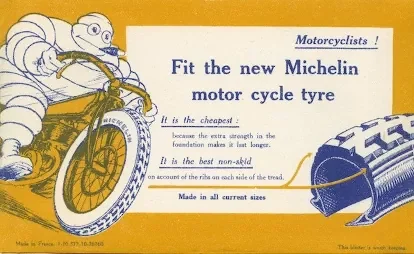
Michelin Flèche d’Or – premium road bias-ply tyre, often fitted on European road bikes
Michelin Zig-Zag – classic ribbed front tyre pattern for light motorcycles
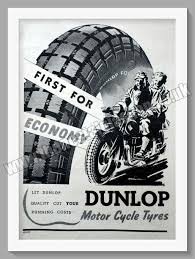
Dunlop Universal – general-purpose bias tyre for British road bikes
Dunlop K70 – introduced late 1940s; widely used on Triumph, Norton, BSA
Dunlop Trials / Block pattern tyres – for off-road or trials motorcycles
FirestoneDeluxe Champion – standard touring / Harley-Davidson fitment
Firestone ANS (All-Nylon Safety) – late 1940s, military and civilian motorcycles
Englebert Block / Rib pattern – used on European singles and twins
Englebert Universal – period road tyre for general motorcycles
Metzeler M – early motorcycle bias tyre for road use
Metzeler Sport / Competition – soft compound options for trials or racing
Fulda (from mid‑1950s, very late in the decade)Very late 1940s: Rasant – mid‑to-late decade road tyre (tube‑type bias)
Coker Tires (reproduction, post‑1958)
Use: Road, trials, early racing
Stem: TR-6, TR-4, or TR-13 for center mount
Tip: Stick to original width and tall profile for handling
1960s–Early 1970s
yeah ok another great era! The one is was born in (end of it ) and metric tyre sizes where a new thing and mostly confuesd everyone
Front & Rear: 2.75–3.50/4.00/5.00 × 16-17-18–19 inch rim size
British bikes also commonly used 18″ and 19″ rims; 21″ was rarer but still seen on competition or trials machines.
90/90 × 19 & 100/90 × 18 — emerging “neo‑inch” sizes equivalent to classic widths toward late decade
Fittment exampels
Triumph TR6 Trophy (1956–1960)
Used widely through the late 1950s.
Typical tyre sizes are:
Front: ≈ 3.25 × 19″
Rear: ≈ 3.50 × 19″ Period dual‑purpose tyres like Dunlop K70 in these sizes were common choice
Harley‑Davidson Big Twins (e.g., FL / FLH Duo‑Glide, Panhead)
Harley fitments in this era were larger and carried heavier tyres compared with British bikes:
Front: 4.00 × 18″ — standard big twin front tyre
Rear: 4.00–4.50 × 18″ — heavier rear for load and stability
These tyre sizes were typical on the FL and FLH series through the mid‑ to late‑’50s as Harley evolved from “Knucklehead” to “Panhead” configuration.
Norton Model 7 Dominator (1949–1955)
Early 1950s: 3.00 × 21″ front, 3.50 × 19″ rear
Mid‑1950s onward: 3.25 × 19″ front, 3.50 × 19″ rear
This shift reflects the broader move toward 19″ wheels for mainstream road bikes in the decade.Tread: Rib front, block/chevron rear
Honda CB750 (1969)
Front: 3.25 × 19
Rear: 4.00 × 18
This classic “first superbike” used imperial bias tyres similar to British bikes at the time.
Ariel Leader / Arrow (late ’50s–mid ’60s)
Front & Rear: 3.25 × 16
Smaller 16″ rims for this utilitarian British model. Through the 1950s, tyres continued to be:
Primary Manufacturers for this period
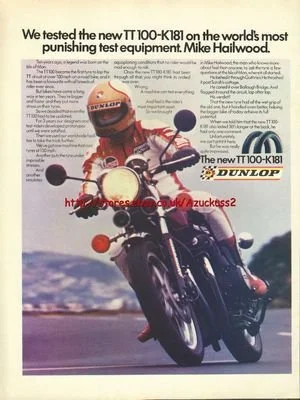
Dunlop — British maker with classic bias tyres (K70, later K81/TT100).
Michelin — European tyres available in classic imperial sizes and later metric “neo‑inch” equivalents.
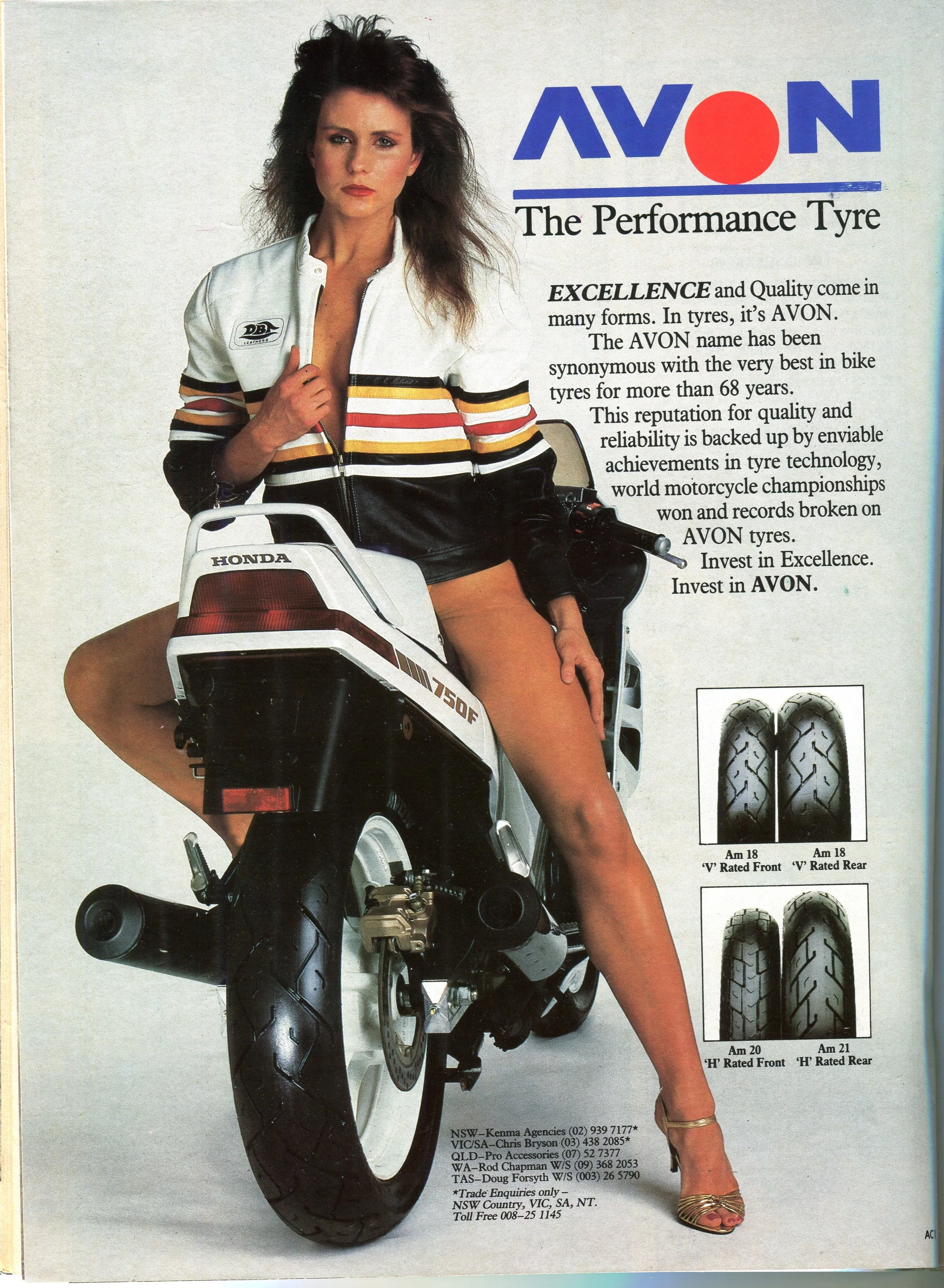
Avon — British tyre maker producing period‑appropriate classics (e.g., Speedmaster).
Metzeler — German manufacturer with vintage bias tyre lines.
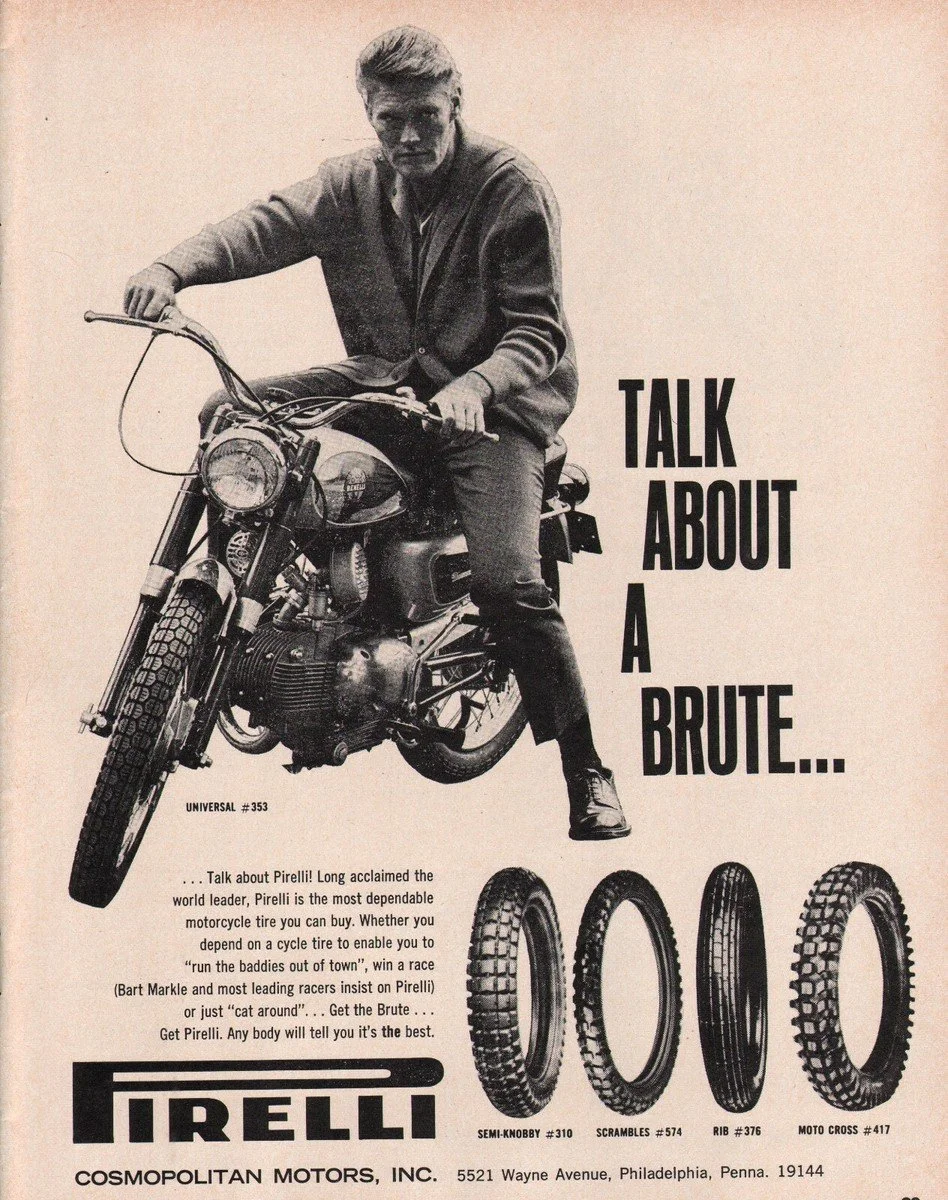
Pirelli — Italian producer with classic tyre offerings into late 1960s and beyond.
Note: Many of these brands continued into the 1970s making both bias and later belt‑belt (pre‑radial) tyres.
Specific Classic Tyre Models (1960s–70s)
Dunlop
K70 Universal — mainstream classic bias tyre fitted OE on many British bikes into mid‑1960s (sizes like 3.25‑19, 3.50‑19).
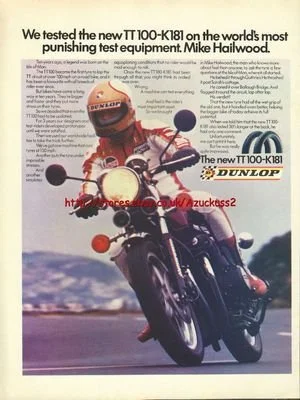
K81 / TT100 — introduced late 1960s with a more modern tread and better grip; used on performance bikes and later adopted on many classics into the 1970s.
Avon
Classic patterns like Speedmaster / Roadrunner — popular on British and European machines (exact models vary over decade).
Metzeler
Early block or universal tread patterns — used across European bikes and later expanded into classic bias fitments.
Michelin & Pirelli
Classic bias patterns in imperial sizes were available for 1960s bikes; later “neo‑inch” equivalents (e.g., 90/90‑19) emerged late in the decade. .
Imperial sizes dominated early 1960s — e.g., 3.25×19, 3.50×19, 4.00×18.
Late 1960s saw the introduction of neo‑inch/metric nominal sizing (e.g., 90/90‑19, 100/90‑18) that equated to classic widths but used metric notation.
Dunlop’s K70 and the successor K81/TT100 typify the shift toward tyres that bridged classic look with improved performance.
Imperial sizes dominated early 1960s — e.g., 3.25×19, 3.50×19, 4.00×18.
Late 1960s saw the introduction of neo‑inch/metric nominal sizing (e.g., 90/90‑19, 100/90‑18) that equated to classic widths but used metric notation.
Dunlop’s K70 and the successor K81/TT100 typify the shift toward tyres that bridged classic look with improved performance
Bias‑ply (cross‑ply) construction
Tube‑type, fitted to spoked rims (frequently WM2 / WM3 profile)
Imperial nominal sizing (inch format), with *19″ rims dominating British bikes and 18″ rims common on larger / American bikes Classic tyre patterns — like ribbed fronts and block treads on rear — were standard until more universal patterns began to emerge late in the decade and into the early 1960s.
Block or universal tread patterns like Dunlop K70 were popular replacements or OE alternatives in this size range
Use: Street, touring, café-racer conversion
Stem: TR-6 or TR-87/C for 90° clearance
Tip: Modern reproduction tyres improve grip while keeping period look
1970, 1980 and 1990 periods
Now this is where things start to get a bit complicated, and this list may not be 100% perfect! It took me ages to compile, so please let me know if anything is missing or needs to be added.
Keep in mind, over these 30-plus years, changes in models and technology have really shaped this era tyre wise.
Early 1970s (1970–1975)
Front: 3.00 × 19, 3.25 × 19, 3.50 × 19, 3.60 × 19, 4.00 × 18, 4.10 × 19
Rear: 3.50 × 19, 3.60 × 19, 4.00 × 18, 4.10 × 19, 4.50 × 18
Trials / small singles: 2.75 × 21, 3.00 × 21
Mid 1970s – Early 1980s (1975–1982)
Front: 3.25 × 19, 3.50 × 19, 3.60 × 19, 4.00 × 18, 4.10 × 18
Rear: 3.50 × 19, 3.60 × 19, 4.00 × 18, 4.10 × 18, 4.50 × 18
Wider sections appear for cruisers and performance bikes; 19″ still standard for road bikes, 18″ more common on heavier/touring models
Mid 1980s – Late 1980s (1983–1990)
Metric sizing begins to dominate (late 1980s)
Front: 90/90‑18, 90/90‑19, 100/90‑18, 100/90‑19
Rear: 100/90‑18, 110/90‑18, 120/90‑18, 130/90‑16 and still some
Imperial sizes still used on some cruisers and vintage-style bikes
Imperial sizes dominated H‑D motorcycles until late 1980s, when metric “neo‑inch” equivalents became common (90/90‑19, 100/90‑18).
Radial tyres did not appear in mainstream H‑D fitments until the 1990s.
OEM Harley tyres were generally Dunlop or Avon.
Major Manufacturers
Dunlop
Avon
Bridgestone (emerging in late 1970s)
Metzeler
Michelin
Period Tyre Models
Dunlop K81, TT100
Avon Roadrunner, Safety Mileage MkII
Firestone Deluxe Champion, ANS
Bridgestone Accolade (late ’70s)
Michelin Flèche d’Or, Zig-Zag
Metzeler Block C
Example Fitments
Triumph Bonneville: Front 3.25 × 19, Rear 3.50 × 19 (Dunlop K81)
Harley-Davidson FLH: Front 4.00 × 18, Rear 4.50 × 18 (Avon Roadrunner / Firestone Deluxe Champion)
Honda CB750 (1969–1975 early bikes): Front 3.25 × 19, Rear 4.00 × 18 (Dunlop TT100)
Honda CB750F / CB900F: Front 100/90‑19, Rear 110/90‑18 (Michelin / Dunlop K81)
Kawasaki Z1 / Z900: Front 3.50 × 19, Rear 4.25 × 18 (Dunlop K81 / Metzeler Block)
Harley-Davidson FX / Sportster: Front 100/90‑19, Rear 110/90‑18 (Dunlop K81 / Avon Roadrunner)
Harley-Davidson Sportster XLH: Front 3.50 × 19, Rear 4.00 × 18 (Dunlop K81 / Avon Roadrunner)
Yamaha XS650: Front 3.25 × 19, Rear 3.50 × 19 (Avon Roadrunner)
Imperial sizing persisted on cruisers (Harley-Davidson, Triumph, BSA) into the late ’80s.
Metric sizing (90/90, 100/90, 110/90) became standard for Japanese sport bikes and late ’80s Harley / cruiser updates.
Big twins (Harley, BSA, Triumph): 18″ rear, 18–19″ front
Imperial sizes still used on some cruisers (4.00–4.50 × 18)
Early supersport / metric sizing: 120/70‑17 front, 160/60‑18 rear (emerging)
Sport / road bikes: 19″ front, 18″ rear typical; later supersport wider rear 130/16–160/18
Trials & Off-Road tyres
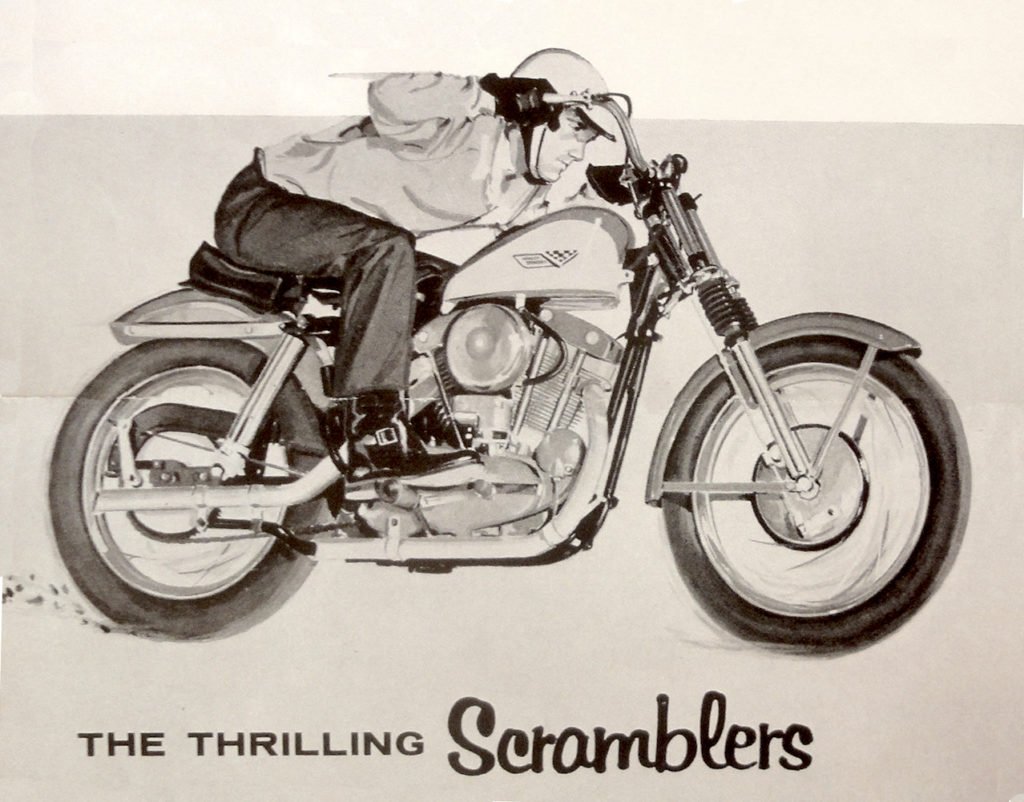
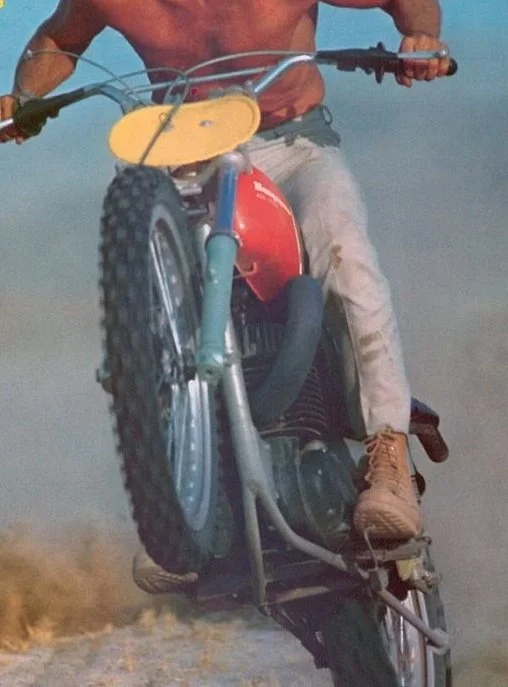
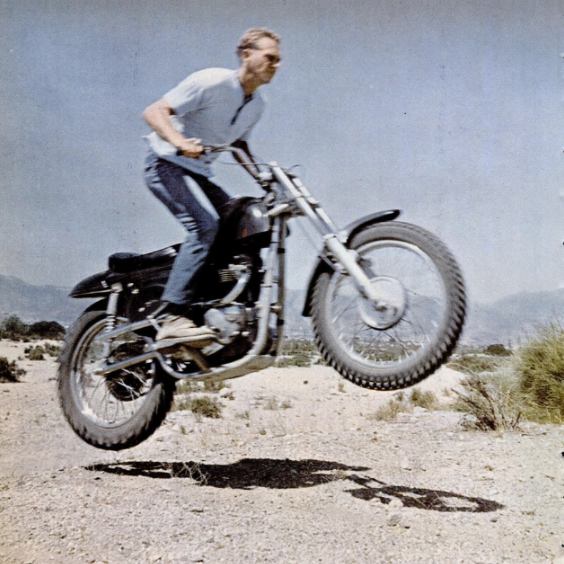
specialised tyres for the 1950 to thru the 1990. I did keep it a bit general
To note is we dont have a great choice of period correct tyres for this period
1950s–1960s (Classic Trials / Off‑Road)
Trials during this period primarily used tall, narrow tyres on 19″ and 21″ rims, optimized for balance and grip rather than motocross knobbies.
2.75 x21 – Narrow front/rear for trials and light off‑road bikes (e.g., small British trials machines)
3.00 x 21 – Very common trials size for both front and rear on British trials and early off‑road bikes
3.50 x 19 / 4.00 x 19 – Larger wheel sizes for heavier off‑road and scrambler bikes
(At this stage most tyres were cross‑ply bias construction and often interchangeable front/rear.)
1970s (Trials & Early Enduro / Scrambler Fits)
The 1970s saw trials bikes like the Yamaha TY series and others using similar tall/dual‑purpose tyres — often on 21″ front wheels and 18″–19″ rear rims.
2.75 × 21 – Classic narrow trials front size (early 1970s trials)
3.00 × 21 – Wider trials front (mid‑1970s trials and small enduros)
3.00 x 21 – Continued use from 1950s/60s trials and light trail bikes
3.50 x 19 / 4.00 x 19 – Trials and scrambler sizes carried over on 19″ rims
3.00/3.50 × 18 / 4.00 × 18 – Rear trials/scrambler sizes on 18″ wheels (for heavier or dual‑purpose machines)
(Examples from this decade include Yamaha TY80 with front 2.5×16 and rear 3×14 on very small trials — but larger bikes settled into 21″ and 19″ patterns.)
1980s (Classic Trials / Enduro & Early Trail Bikes)
By the 1980s trials and enduro bikes had evolved, but tall wheel diameters and narrow cross‑sections remained dominant for trials use.
2.75‑21 / 3.00‑21 – Front wheel standard for most classic trials bikes
90/90‑21 (≈ 3.50) – Metric‑nominal equivalent for taller, dual‑purpose tyres on 21′s (late decade trend) (metric equivalents became available later in the period)
80/100x 21 – Slightly narrower metric trials size emerging in the late ’80s (equivalent to ~2.75–3.00″)
3.50 x 18 / 4.00 x 18 – Rear wheel sizes for enduro/trials and dual‑purpose bikes: Narrow ribbed for steering precision
In the 1950s–60s, trials and early off‑road bikes commonly used cross‑ply tyres on 21″ front wheels — 3.00 x 21 is a hallmark size from this era.
Through the 1970s, trials bikes kept tall tyres for maneuverability over rough terrain, and 21″ rims remained standard.
By the 1980s, metric “neo‑inch” sizing (e.g., 90/90‑21, 80/100‑21) started appearing as tyre makers shifted nomenclature —
but the physical sizes remained very close to classic 2.75–3.00 x 21.
Trials tyre tread patterns evolved, but the tall, narrow cross‑section and large wheel diameters were consistent for competition and trail use.
model specific info
BSA Gold Star Trials (late ’50s) 3.00 × 19 rear and front 3.50 × 19 Tall narrow tyres, tube-type bias ply, for light off-road / trials
Montesa Cota 247 (late ’60s) Front 3.00 × 21 Rear 3.25 × 21Small Spanish trials bike, narrow tall tyres for precision climbing
Yamaha TY250 (1974–1979) Front 2.75 × 21Rear 3.00 × 21 Japanese entry into trials; replicated European narrow/tall pattern
Gas Gas EC / T / early 1989 Front 80/100‑21 Rear 90/100‑18 Spanish trials machines moving fully into metric sizing
Front wheels: almost always 21″ (very few exceptions)
Rear wheels: typically 18″ or 19″, slightly wider than front
Widths: front tyres ~2.75–3.00″; rear tyres ~3.00–3.50″
Tyre type: tube-type bias ply throughout the period
Manufacturers: Dunlop and Avon dominated across all decades; Michelin, Metzeler, and Pirelli were mainly OE in Europe.
Metzeler Block C – dual-purpose, off-road bias ply,
Pirelli Cross / Competition – late ’70s European OE
there are more and specific tyres for mud, sand and rocks but those really took off after the 1980 and I didnt cover this here
Tyre patterns: Ribbed front for steering, block or chevron rear for grip.
Sizes: Front wheels almost always 21″, rear 18–19″; widths increased slightly in the 1980s with metric sizing.
Construction: Tube-type bias ply through the entire period; radial tyres didn’t appear in trials until after 1990
Metric sizing: starts appearing mid-late 1980s (e.g., 80/100‑21, 90/100‑18), replacing the older imperial notation
Design consistency: tall, narrow tyres for precise handling over rocks, roots, and obstacles
Use: Mud, rocks, sand — HD only
Stem: TR-15 or TR-87/C
Tip: Tube must match exactly; check rim tape
Tube & Tyre Installation Notes
Always use tube-type tyres unless the rim is tubeless-compatible.
Ensure rim tape fully covers the spokes.
Apply talc or tyre lubricant to tyres and tubes before installation.
Use blunt tyre irons for fitting, or have us fit your tyres for safety.
Balance tyres using the appropriate weights.
Inflate slowly to seat the tyre and tube; pop the bead if necessary, following the maximum pressure limits.
Check tyre pressure regularly.
Match the valve stem type (TR or JS) to the tyre and rim.
Check the load rating: overinflation ruins handling; underinflation risks tube failure.
Note: This isn’t a comprehensive list, and some information may be incomplete. If you notice anything missing or incorrect, hit me up and I’ll add it.
Cheers,
Andy
